Every year around Black Friday I watch friends buy coffee makers that look great in the ad and disappoint by January. The problem is rarely the machine. It is that they bought the discount instead of the machine they needed. Here is the checklist I follow before buying, and I recommend running through it before you click add to cart.
Start With How You Drink Coffee
Count how many cups you make each morning and whether you brew for one or for a household. Someone making a single cup before work needs a very different machine from a family that goes through a full pot. My guides split these needs, such as the drip coffee maker guide for larger batches and the single cup coffee maker guide for solo drinkers.
Choose Your Brewing Style
Drip machines are convenient, single-serve machines are fast, French presses give body and espresso machines give intensity. Pick the style that matches your patience. If you want a machine that runs on a timer before you wake up, look for a programmable drip model. If you love ritual, a manual method may suit you better.
Check Capacity and Footprint
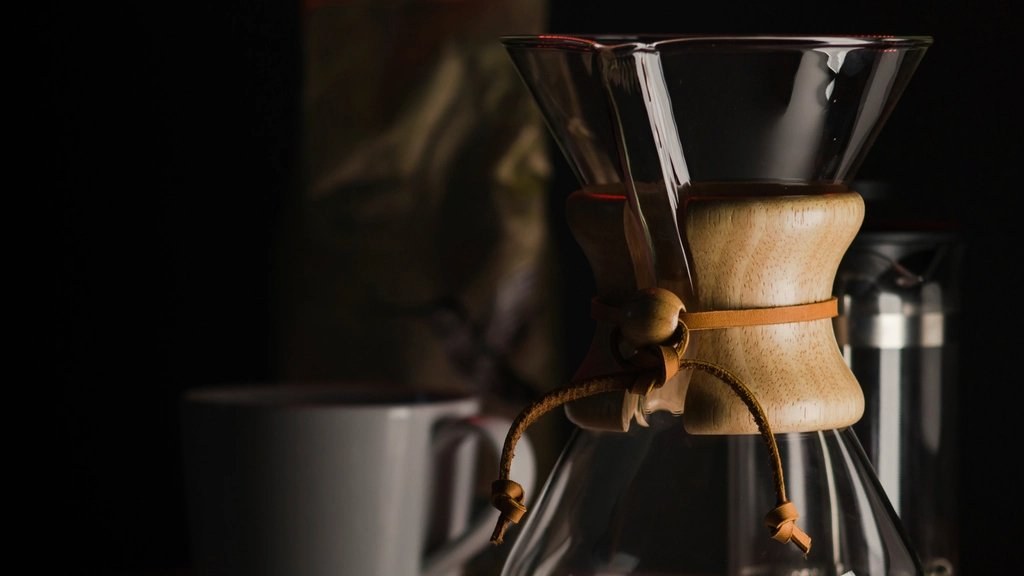
Measure your counter and the space beneath your cabinets before you order. Many machines are taller than they look, especially those with large water tanks. Also check how heavy a full carafe is when you pour, because comfort matters when you use it every day.
Look at the Carafe and Keep-Warm Design
Glass carafes on hot plates can scorch coffee if it sits too long. Thermal carafes keep coffee hot without a heating plate and usually taste better after an hour. If you drink coffee slowly through the morning, a thermal carafe is worth the switch.
Water Temperature and Brew Quality
Good coffee needs water hot enough to extract flavor without scorching the grounds. The Specialty Coffee Association, a global coffee standards body, publishes brewing standards and machine certifications at sca.coffee. If a machine carries an independent certification, it has been tested for temperature and brew time, which is a useful signal of quality.
Think About Cleaning
A machine that is hard to clean will stop tasting good. Look for removable parts, a wide opening for the water tank and easy access to filter baskets. Check the descaling instructions, and be honest about whether you will follow them. Hard water builds up quickly and shortens machine life.
Consider Filters and Ongoing Costs
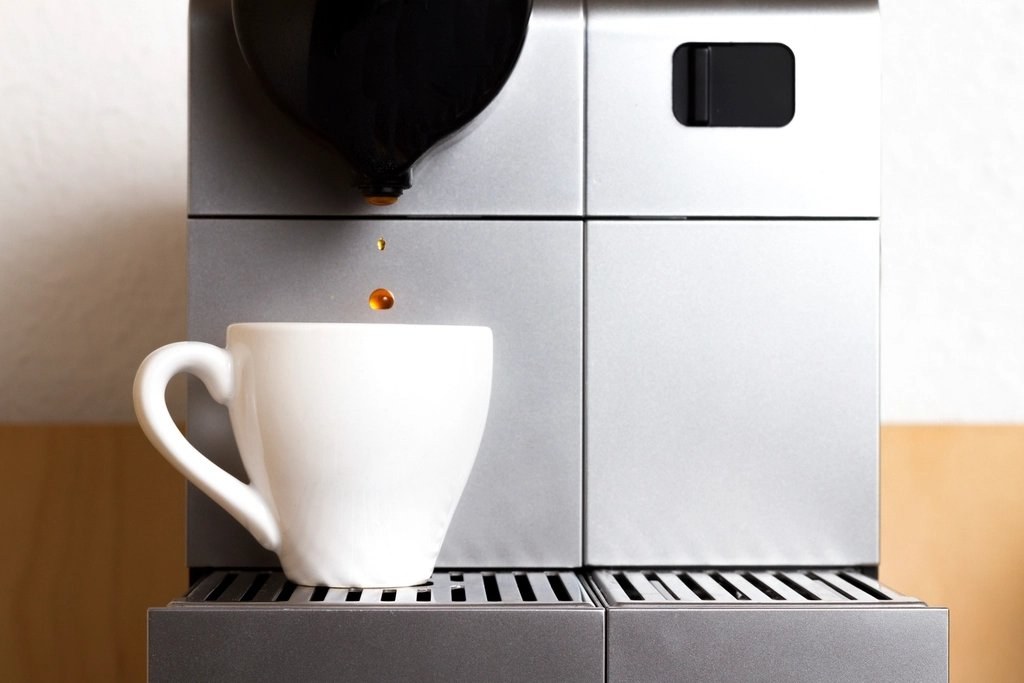
Pod machines lock you into a supply of pods, while drip and press machines use ordinary filters or none at all. Factor in the ongoing cost and the environmental waste. A permanent filter reduces both, although some people prefer the taste of paper.
Read the Warranty and Reviews
A good warranty shows the company expects the machine to last. Read reviews for repeated problems, such as leaks, heating failures and noisy pumps, and see how the company responds. One or two bad reviews are normal. A pattern is a warning.
Plan for the Grind and the Beans
The machine is only half of the equation. Fresh, whole beans ground just before brewing improve almost any coffee maker. If your budget allows, put some of it toward a decent grinder and good beans, since that usually improves flavor more than a fancier machine. Store beans in an airtight container away from heat and light, and buy in amounts you can finish within a few weeks. Do this homework once and you will spot a genuine bargain in seconds, instead of getting swept up by the countdown timers.
Ask About Returns
Holiday purchases often come with extended return windows, but the rules vary. Read the policy before you buy, keep the packaging for the first few weeks and test the machine right away. Brew a few pots, listen for odd noises and check for leaks. If something feels wrong, return it while you still can. A quick test in the first week saves you months of frustration.
Judge the Sale Honestly
Choose two or three models you like before the sales start, and compare their regular prices with the discounted ones. A big percentage off an inflated price is not a bargain. Prices change often, so check across several retailers on the day you buy, and read what the box contains, since some bundles swap in weaker parts.
Your Final Checklist
Match the machine to your daily routine, pick a brewing style you will enjoy, measure your space, check the carafe, look for independent certification, plan for cleaning and read the warranty. A machine that passes those tests is worth buying on sale. If it fails any of them, leave it, and wait for one that fits.